 R2 Thoughts for You
How Is The Internet Changing The Way I Think?
Posted on January 28, 2010 Leave a Comment
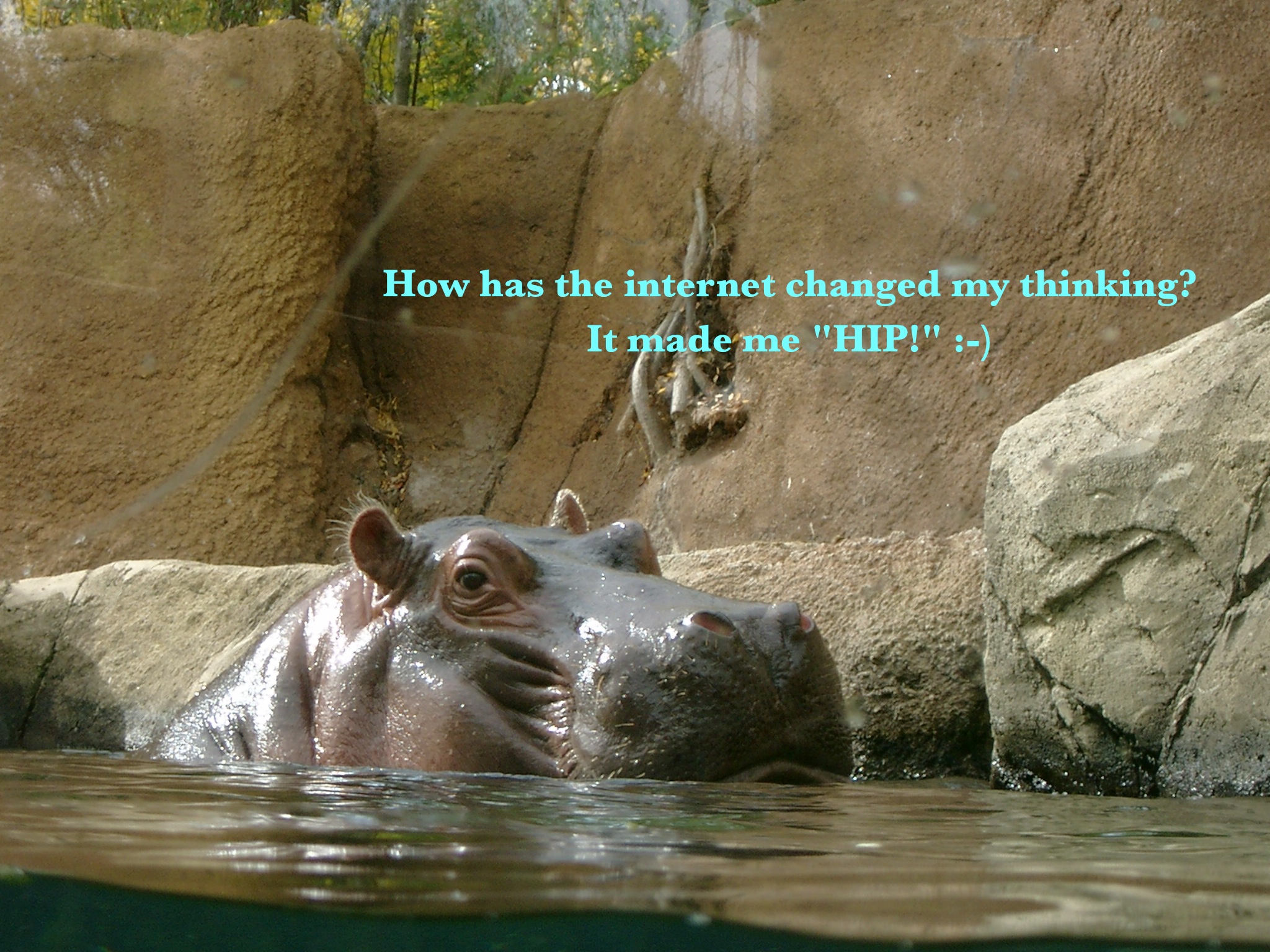
Recently, a friend of mine asked me, on Facebook, if I was familiar with the on-line magazine, “Edge.” She thought I might be interested in a question that the magazine asked, “How is the internet changing the way you think?” The minute I read the question, many thoughts ran through my mind. My first thought was that I would find my life much less fulfilled without the internet.
Now, don’t misunderstand what I mean by saying that my life would be much less fulfilled. You see, I think my life would be fulfilled without the internet, but it would also be much more difficult to fulfill it. It would be difficult to make it as rich as it is without the internet. Perhaps the most difficult thing without the internet would be getting information. The internet makes it so easy to obtain and assess information.
I went to the website of Edge and read the question the magazine posed, along with other related questions asked by a diverse group of people not necessarily associated with the online publication. After thinking about the question for a few minutes, I sent the following response to my friend. It has been edited for this post.
Hello _____, (name omitted for privacy reasons),
No, I am not familiar with the online magazine, Edge. I went to the link you gave me and read, “How is the internet changing the way you think?”
First of all, thanks for thinking of me and thanks for sending it. You, of course, know that I think questions drive thinking. It is for that reason, most of the posts on my blog start with a question in the title. Actually, 99% of the time they start, in my mind, with a question.
Referring back to the article on Edge, I think it is obvious and inevitable that the internet is changing the way I think. Of course, the question was, “HOW is the internet changing the way you think?” That IS an interesting question!

Think locally and communicate globally!
Access to information at the “speed of google” has had a profound effect on my way of thinking. Not knowing about a particular topic, idea, person, place, concept, etc… is not nearly the problem for me that it used to be. I no longer have to find a current encyclopedia, dictionary, newspaper, reference book, etc… in order to “gather” the information. The internet has changed the way I think by making it easier and faster to get necessary information, along with adding a high level of confidence in the accuracy of what I receive.
Easy and affordable global communication has helped me communicate my thoughts in a much better and efficient manner. Using the language arts to access my thinking and then the internet to exchange thoughts with others throughout the world, has changed when, how and what I think.
Having the ability to use a computer and the internet to “write for learning” and publish my writing has changed the way I think. When I was teaching in high school and wrote for learning, I would often published what I wrote for the faculty and/or students. When doing so, I would have to write, duplicate and deliver by hand. In order to “write for learning” most of my “thinking time” was spent on non-thinking chores. Now, I can publish on my website or blog and easily reach my audience with almost all of my effort dedicated to thinking and writing.

This surfing is changing my thinking!
When reading a book, article or any other writing in hard copy, I used to be at the mercy of the author for most of my thinking about what was written in the hard-copy item. The internet expands that by multi-fold! With the use of hypertext and google, I’m not as dependent upon the author’s writing to get different points of view. In my opinion, this is powerful and revolutionary.
Another very important change in the way I think, which was brought on by the internet, is an increase of intellectual curiosity. I think I have always had a reasonable amount of intellectual curiosity, but the internet offers a way of almost instant gratification when I am intellectually curious. For me, the internet has enhanced this valuable intellectual trait.
These are some of the ways that the internet is changing the way I think. One other very personal way, is how the internet is changing my thinking as a retired person. Compared to the previous generations of retired people, I have greater access to the world as it is. Before, if a retired person was interested in learning about ______ (you fill in the blank), the person would be restricted to old writings, TV, radio, etc.. I’m not implying that the information was necessarily incorrect, but that it wasn’t as timely as it is through the internet. And, being able to use the internet for information about travel routes, restaurant locations, menus and other points of interests, before going anywhere, has changed how this retired person thinks.
Ok, those are some of my answers to the question posed by Edge.
Other related questions, posed by some of the previously mentioned diverse group of people are like desert for the food for thought question posed by “Edge.” Consider Nicholas Carr’s question, “Is Google Making Us Stupid?” Or, how about George Dyson’s question, “What if the cost of machines that think is people who don’t?” Good questions that might provide more “fodder” for a future post. :-)
What are some of your “foods for thought” regarding how the internet is changing the way you think?

What’s Good About Being Alone?
Posted on January 25, 2010 2 Comments

“Lonely” Joshua Trees
Is there any goodness in loneliness? Most of us dread the thought of loneliness and generally, loneliness is considered to be a negative feeling. But, should we dread the thought of loneliness? Is there something about loneliness that is a positive for us? I think so!

Oh, the lonely Owl!
Before I go any further with this, let me make clear that I have never experienced severe loneliness. I don’t want anyone to think that I have spent long periods of time without having the company of another. But, I also think that a person can suffer from loneliness while constantly being in the company of many people.
I have worked with people who were in the company of dozens of people everyday and were extremely lonely. I once knew a person who lived in a group home where she saw and interacted with housemates everyday while still constantly suffering from loneliness. The point I’m trying to make is that I think loneliness is a mental feeling that isn’t necessarily dependent upon the lack of company.
You see, there is only one person you will always be with and that person is you. Each person will be with her/himself every minute of everyday in her/his life. Of course, I started this with a focus on loneliness. There is only one person we can count on always being with us, and when that person is the only one with us, we are, by all accounts, alone! (Last March, I did a post entitled, Who Do You Have To Live With?, in which I pursued this line of thought a little “deeper.” Please click on the title to visit that post.)
It is inevitable that we will be alone. What isn’t inevitable is our attitude when we are alone.

Reflecting on who I am!
I think the attitude we have, when we feel we are alone, determines whether we suffer from loneliness or enjoy the alone feeling. If we have a negative attitude, then we will feel sorry for ourselves, and most likely act in a negative manner. That negative action might have us running away and into relationships for the sole purpose of not having that alone feeling. Or, the negative action might find us drowning ourselves in self-pity. The point is, we must take control of our own attitude.
I define attitude as a mental feeling. This attitude of loneliness can be a positive attitude if we recognize it as an experience that allows us to discover who we are, find our focus, and know ourselves. We need times of being alone, or loneliness, in order to develop a true sense of self. With a true sense of self, we will be able to change ourselves and decide to grow into the loving and social person we each want to be.
It is difficult to reflect on who you are unless you have a time in which you are without distraction. Being alone and confronting loneliness can help you reflect on your life and develop a sense of self based on reality instead of dreams. Confronting loneliness and discovering our true sense of self, is another example of helping ourselves make our thinking fit reality instead of trying to make reality fit our thinking.

What’s good about being alone?
Make loneliness into a positive that helps you know your true self. Knowing your true self will give you the confidence to meet life as a person who is comfortable with being alone with yourself and/or in the company of anyone.
Only you alone can change you. Only you alone can decide to grow. Only you alone can think for you. Being alone can be a lonely experience, but whether it is positive or negative is up to you.
What’s good about being alone?
It can be a positive growth experience that allows you to find your true self and change into the person you would like to be with.
What Is The Meaning Of Life?
Posted on January 21, 2010 2 Comments

What is the meaning of life? Now, that is A QUESTION! Indeed, it’s the ultimate question; it’s the question that is often considered most fundamental to all living beings.
So, do any of us have the answer to, “What is the meaning of life?” How would you answer the question?
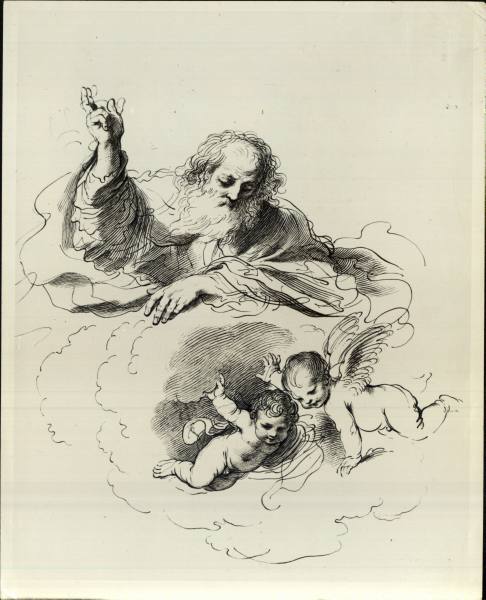
The meaning of life is…
Perhaps, you might say, “The meaning of life is to glorify God?” I know many people feel that their sole purpose in life is to glorify God or to fulfill God’s purpose. That often is their meaning of life. Others have stated that their purpose, or meaning of life, is to love their neighbors as they love themselves. And, some claim that their meaning of life is to be the best that they can be. How can we find the answer to this baffling question, “What is the meaning of life?”
First of all, let’s all imagine answering the question, “What is the meaning of life?” How would you answer? C’mon, let’s answer the question – no excuses! :-)
This is a most difficult question for me. I want to answer it, but I also feel a certain amount of apprehension.
You see, I would say that the meaning of life is everything that I experience while alive. Ok, I know that isn’t what most people would consider a reasonable answer. It’s too general? It’s doesn’t give a clear answer for everyone. Yes, but that’s the point.
What???!!!!
Well, we will not all have, nor should we have, the same answer to, “What is the meaning of life?” Probably, considering all aspects of human existence, the only thing that is truly unique is one’s life. What is the meaning of that life? Everything!
I realize that I’m not the first to state this. Deepak Chopra argued in a similar way, when addressing life and its meaning, in his book “The Book Of Secrets.” He challenges us to look at life as beginning as a blank piece of paper that has infinite possibilities. Anything and everything can be presented on that blank piece of paper. Your life is pure potential that must be shaped into something that is what you are. Therefore, the meaning of life is “everything” that you make of it.

The beginning of my meaning of life.
Personally, I think a better metaphor, than the blank piece of paper, is a blank canvas – one that is ready for a person to paint her/his life on. The meaning of life then becomes everything that is painted on the person’s canvas of life.
If a person dies when young, then the canvas for her/him is complete, beautiful, but most likely, not as complex as the person who lives a long life. Both canvases can be filled with meaning, but one may be more complex and with more depth than the other. Each would reflect that person’s meaning of life and potentially, each could be very meaningful for all who encounter the life.
Is it possible for the meaning of life to change? Well, sort of!
You see, the meaning of life changes as the canvas of your life is erased, painted over and/or re-constructed. Sometimes, our life has a crisis that causes us to change our life. In other words, we might have to erase or “paint over” what our life had been up to that point and work toward something as basic as staying alive. That, then, is painted on our canvas and becomes part of our meaning of life.
So, what is the meaning of life? EVERYTHING!
At least, everything that is on each of our canvases of life. :-)
How about a meaningful comment? :-)
What’s Up With Up?
Posted on January 18, 2010 2 Comments
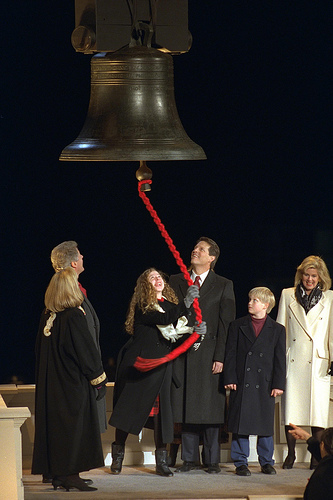
1993 Inaugural events, where President Clinton’s daughter, Chelsea, kept ‘UP’ the ringing long after her father let go of the rope.
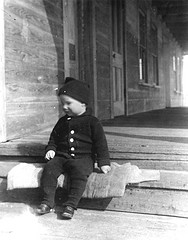
Boy bundled ‘UP’
Last month, I received an e-mail about the many uses of the word ‘UP’. I have added a few thoughts of my own and printed it in italics below. It’s amazing to me how such a simple word has so many different uses and meanings in the English language. Enjoy exploring a most interesting aspect of our English language!
———————
There is a two-letter word that perhaps has more meanings than any other two-letter word, and that is ‘UP.’
It’s easy to understand UP, meaning toward the sky or at the top of the list, but when we awaken in the morning, why do we wake UP ?
At a meeting, why does a topic come UP ? Why do we speak UP and why are the officers UP for election and why is it UP to the secretary to write UP a report?

A goat round-‘UP’
We call UP our friends. And we use it to brighten UP a room, polish UP the silver; we warm UP the leftovers and clean UP the kitchen. We lock UP the house and some guys fix UP the old car.
At other times the little word has real special meaning. People stir UP trouble, line UP for tickets, work UP an appetite, and think UP excuses. To be dressed is one thing, but to be dressed UP is special.
And this UP is confusing: A drain must be opened UP because it is stopped UP. We open UP a store in the morning but we close it UP at night. We ask what’s UP, but really don’t want to know what is UP.

Dressing-‘UP’ as a soldier
We seem to be pretty mixed UP about UP !
To be knowledgeable about the proper uses of UP, look the word UP in the dictionary. In a desk-sized dictionary, it takes UP almost 1/4th of the page and can add UP to about thirty definitions.
If you are UP to it, you might try building UP a list of the many ways UP is used. It will take UP a lot of your time, but if you don’t give UP, you may wind UP with a hundred or more.
When it threatens to rain, we say it is clouding UP . When the sun comes out we say it is clearing UP…
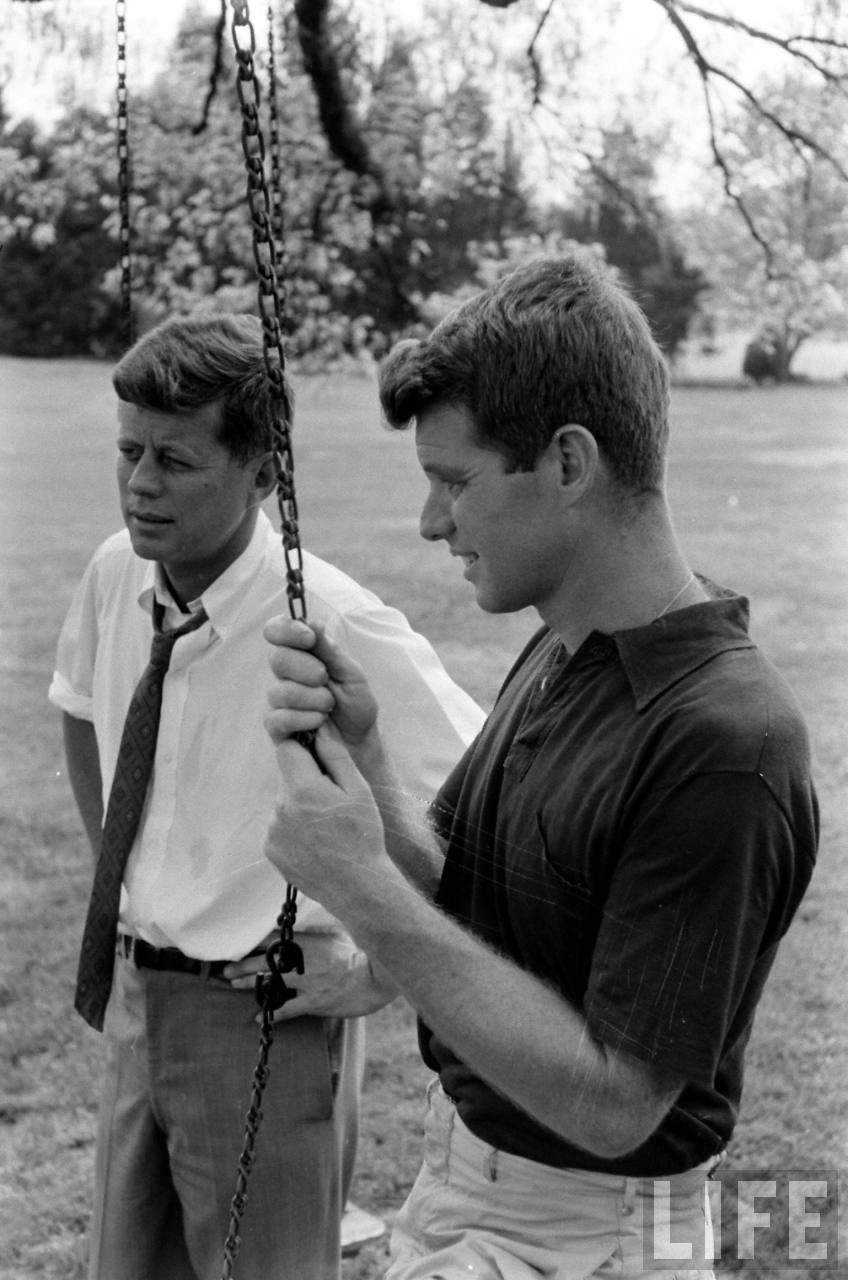
John & Bobby Kennedy Close-UP
When it rains, it wets the earth and often messes things UP.
When it doesn’t rain for awhile, things dry UP.
One could go on and on, but I’ll wrap it UP, for now my time is UP, so……..it is time to shut UP!
Oh . . . one more thing:
What is the first thing you do in the morning & the last thing you do at night? U-P :-)
—————————————
So, what do you think about the use of ‘UP?’ Until now, I never realized how many different ways we use the word, “up.”
What other two-letter english word has as many different uses? I can’t think of any. Can you?
Should Egocentric Become A “Broken Eggocentric?”
Posted on January 14, 2010 Leave a Comment

TIME cover 07-08-1987 ill. depicting “We The People” re 200th anniversary of the Constitution and the ethnic diversity of the United States. Isn’t Ethnocentricity inappropriate for the United States?
Special note to my readers: This post is the result of discussions with various people about ego and the problems that arise from “having too much ego.” I have argued that the problems with “ego” is often the same as the problems of trying to be rational and egocentric at the same time. I wrote a post entitled “Should We Be Rational,” last November, where I stated that you can’t be rational and egocentric at the same time. I realize these posts on thinking can be a bit “heavy,” but hopefully, you will find them to be thoughtful. :-)
———————————
What is egocentricity? According to the Critical Thinking Community, egocentricity is “a tendency to view everything in relationship to oneself; to confuse immediate perception (how things seem) with reality. One’s desires, values, and beliefs (seeming to be self-evidently correct or superior to those of others) are often uncritically used as the norm of all judgment and experience. Egocentricity is one of the fundamental impediments to critical thinking. As one learns to think critically in a strong sense, one learns to become more rational, and less egocentric.”
My ego is holding the world!
Is egocentricity a tendency that all humans experience? I think the answer is yes! As little children, we all are naturally egocentric. Children will often use their desires and what they believe, as a basis for all judgement and experience. They often confuse “how things seem to them” with reality. Consider how children will readily believe in Santa Claus, monsters and ghosts. The point is that all of us, because we were once children, have been egocentric. I think it is a natural part of our maturation process.
Unfortunately, many humans don’t loose their tendency toward egocentricity as they grow older and “wiser.” Why is this? I think is has a lot to do with confusing beliefs with knowledge. Knowledge is based on understanding, which is based on thought and must be justified. Beliefs do not have such conditions.
Egocentricity has at least two other forms when the concept is extended to groups – ethnocentricity and sociocetricity.
Ethnocentricity is “a tendency to view one’s own race or culture as central, based on the deep-seated belief that one’s own group is superior to all others.” An example of ethnocentricity was how the whites have justified, in the past, their treatment of blacks in America and South Africa.

Socially, on this earth, it’s all about me!
Sociocentricity is “the assumption that one’s own social group is inherently and self-evidently superior to all others. When a group or society sees itself as superior, and so considers its views as correct or as the only reasonable or justifiable views, and all its actions as justified, there is a tendency to presuppose this superiority in all of its thinking and thus, to think closedmindedly. All dissent and doubt are considered disloyal and rejected without consideration. Few people recognize the sociocentric nature of much of their thought.”
Examples of sociocentricity can often be found when observing interaction between different countries, city neighborhoods, political parties, religious groups, etc. Specifically, it’s not unusual for someone who is a Democrat to consider ideas from a Republican to be inferior and vice versa. It’s not unusual for a christian to proclaim that unless a person is baptized, s/he will not be saved and/or go to heaven. What does this last proclamation do for reasonableness when said to a jew or muslim? Doesn’t that christian consider her/his views as correct and therefore, superior to the beliefs of the jew or muslim? This also acts as an example of confusing what is believed with what is known.
Egocentricity, though a normal way of thinking, only serves us well when we are young. Like training wheels on a bicycle, it is something we should try to get rid of as soon as we consciously begin maturing.
You might ask, how does egocentricity serve us well when we are young? Consider a very young child who finds her/himself in a dangerous situation. That child will have a natural and egocentric tendency to save her/himself, often without any concern about others that may be in the same situation. Of course, that is appropriate since the child, most likely, wouldn’t have the strength, nor sense of self, to do otherwise. When we are young, we must “look out for ourselves” as much as possible. This is why the responsibility of raising children falls upon the adults and not the children.
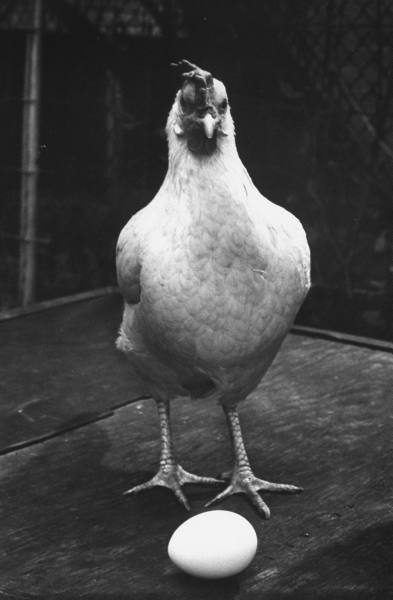
From the egg to the bird – from egocentrism to broken eggocentrism!
Here is a metaphorical attempt to clarify what I mean. Think of a child as a growing chick inside of an egg. Think of the shell of the egg as the egocentric nature of a child. The shell of the egg protects the young bird until it is able to peck itself out of the egg. This is what should and must happen to all reasonable and rational humans. They should strive to “peck themselves out of the shell of egocentricity.” Only when they do, will they become rational.
Egocentricity mentally confines us like the shell physically confines the bird. It serves a good purpose while we are developing, but it must be “broken through” and discarded in order for each of us to become a rational and complete person.
We should and must mature to the point that we break the egg shell of egocentricity. Only then do we become mature rational humans. Therefore, our egocentricity will become a broken “eggocentricity!” :-)
I would appreciate a comment from you?
When Should You Consider What You Aren’t?
Posted on January 11, 2010 Leave a Comment

Be careful what you visualize!
When should we consider what we aren’t?

This could be your reality!
Shouldn’t we always strive to know who we are? YES!
Shouldn’t we know our past and learn from it? YES!
Should we be truthful about ourselves? YES!
Should we live in the present? YES!
Ok, so what’s this all about? Well, I would like to present a time in which it would be valuable for all of us to consider what we aren’t. So when is that time and what should we do?
The time is anytime we are considering our past, our present and what we want our future to be. What we should do, is see ourselves as what we can become – as people with expanding self-images. We should each strive to develop into a person whose main focus is on what s/he can be tomorrow and not what s/he is today, or was yesterday.
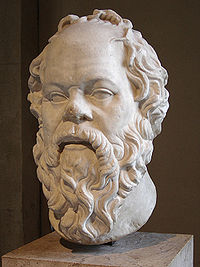
Socrates: “Know Thyself” (and use that knowledge for change in the future!)
Now, please don’t misunderstand me. I do not mean to imply that we shouldn’t always strive to know ourselves. Yes, I really believe the old Socrates statement of, “Know Thyself.” (Note: This quote is actually given to us by Plato, since Socrates did not write anything down. Also, it may not be an original by Socrates, since some say the statement predates him.)
If we truly adhere to the statement of “Know Thyself,” then let it be known that we are people who focus on the incredible growth and great changes we see in our future.
Of course, we should be grounded in the reality of the present along with the realization of our past. Both, the past and present, are knowable from experience. The future is where we can take that experience and mold it into what we want to become. As we think of our future with its growth and change, we are able to motivate ourselves toward positive growth and positive change.

I’m visualizing me!
I often hear statements like, “seeing is believing,” or “I’m a visual learner.” I think these statements are indications of how we learn and therefore, change. Visualization is a powerful technique to help us change. Athletes have been using visualization to help them with their sport performances. Visualization can help with “realization” in the present and future!
I have written about using visualization in some of my past posts. If you would like to read more about the use of visualization, please click on any of the following titles, “Is Affirmation A Tool You Use?,” “Can You Imagine Not Having An Imagination?,” “What Is ‘Addictionial?’,” and “To Change Everything, Simply Change …”
In order for us to focus on what tomorrow can be, we need to visualize that future. Of course, there is always a chance that we will experience a great and good change without having visualized it before. But, isn’t this the same as going for a random walk and hoping we end up at a our friend’s house?
Generally, we have a better chance of arriving at our friend’s house if we have previously planned or visualized the best route to the house. Random walks can be good for our health, but not good for arriving at a specific destination. If we would like for our future to consist of positive growth and change, then visualizing the best route to that future gives us a much better chance of getting there.

I’m visualizing my present in my future:-)
Besides helping ourselves, I think we can also help those people who are touched by our lives. We can help them visualize a new and better future. We can help give them a mental picture that illustrates all they can do and become. We can let them know we believe in their abilities. We can help them become better today than they were yesterday and visualize how they will be greater tomorrow.
When should you consider what you aren’t? When you are thinking about the who and what you want to be in the future.
I visualize a future with a “present” comment from you. :-)
Are Americans Political Victims?
Posted on January 7, 2010 Leave a Comment
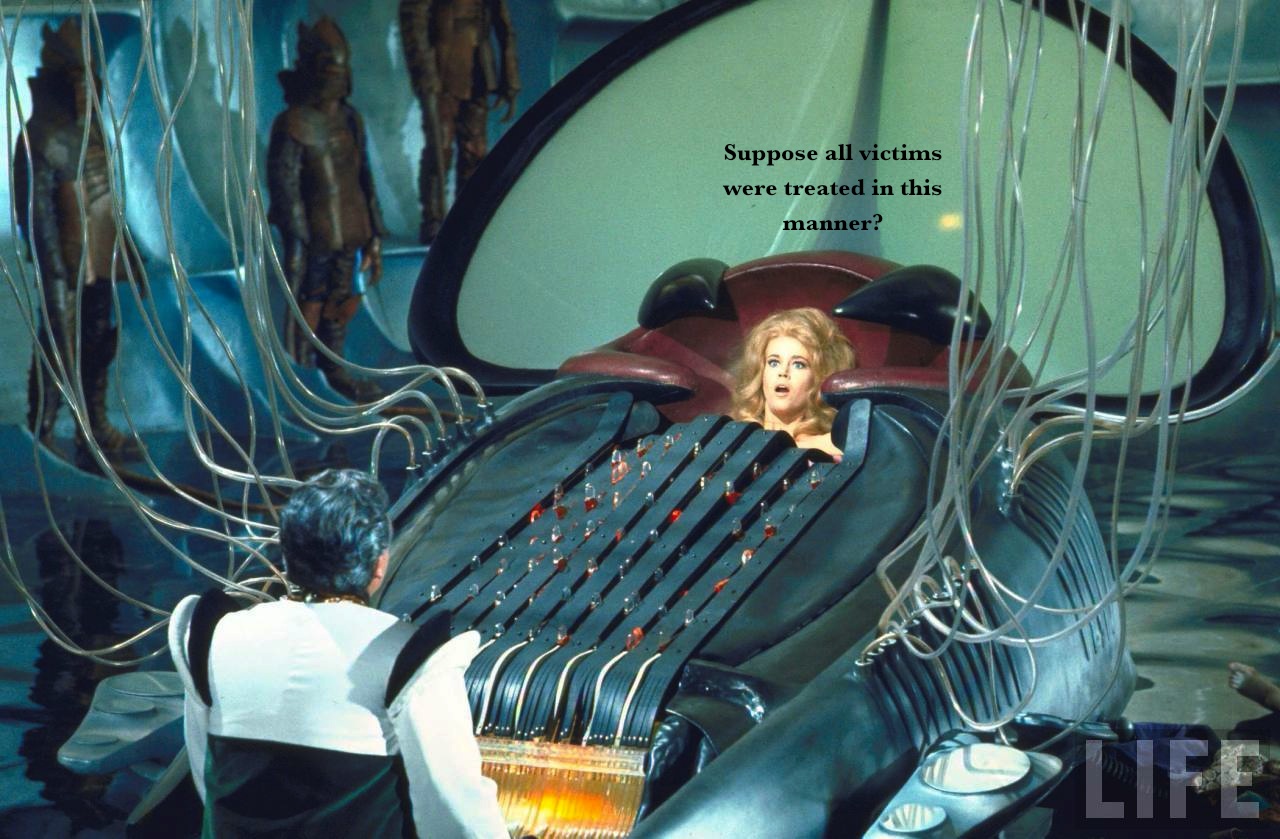
Actress Jane Fonda trapped in the Excessive Machine which kills its victim by pleasure during a torture chamber scene from Roger Vadim’s motion picture “Barbarella.” Date taken: 1967 Photographer: Carlo Bavagnoli

Who’s the victim?
I’ve been reading a new on-line newspaper called the St. Louis Globe-Democrat. Actually, it’s a very old newspaper that went out of print and has come back as an on-line only newspaper. (note: since this was published the on-line version no longer exists) In my opinion, it is now a very “right-leaning” paper that is giving a voice to those in our community that want to read what the politically conservative thinking people are writing.
In all fairness, I must admit that our only major newspaper (in St. Louis, MO), the St. Louis Post-Dispatch, is considered by many to be a “left-leaning” paper. I am pleased to see the St. Louis Globe-Democrat come back. In my opinion, we, as readers, are much better informed when we have access to opinions from both sides of the political divide.

These buildings are leaning both “left & right” :-)
As a blogger and someone who likes a forum where I can easily give my opinion on a particular topic, I have been making comments periodically about one or more of the current issues presented in our papers. When I have commented on the Globe’s website, my approach has generally been an attempt to write as a “voice of reason.”
Many people who make comments on the Globe’s website seem to do little more than criticize one side or the other, without saying anything positive and/or constructive. More than anything else, there seems to be an outcry of “feeling like victims.” This victim feeling is often in reference to national politics, the democratic majority, the right-leaning minority and how our government is being abused by the “liberals.”
Perhaps, what is really happening is that those who feel like victims are suffering from “victim thinking.“ They have accepted, at least subconsciously, the label of victim. They feel that because their particular party is no longer in the majority, that something bad has happened to them and they are in no way responsible for it. Of course, for most of the D1-2K (decade one of the second millennium), the Republicans had most of the political power and control.
During the D1-2K decade, I readily admit that I was a left-leaning citizen. But, I was NOT a victim of the Republican party, Democratic party or our government. I was, as much as any other citizen, responsible for our government. Because I was responsible doesn’t mean I am or was a victim.

Are we George Washington’s political victims?
Many people who give their political opinions, both professionals and amateurs, state how bad our government is because of the other political party, and they are in no way responsible for it. I think that when a citizen gives up responsibility and accountability for our government then that citizen gives up control. They are basically saying, “There’s no hope for the present government and there’s nothing I can do about it.”
The mind of a victim is one of powerlessness. When a person thinks s/he is a victim then the behavior of that person becomes like a victim. This can become a downward spiral that ends in negative expressions and actions. Examples of such negative expressions are last Summer’s town hall meetings, a senator yelling at the president, “you lied,” and destructive rants that many of us have read and heard in our media.
It seems that many people are defining themselves as victims of a political party. I think we should define ourselves by our shared government. We are all sharing in this government.
When we celebrate an American’s win in the Olympics we share in that win. When a disaster strikes us like 9/11, we all share in that disaster. When we elect a legislature, along with a new President, we all share in that election. We are not victims, but simply citizens in a democracy.
So, are we all victims? No! But, too many of us our not taking responsibility and accountability for our actions. Yes, I think that an election in which we are the electorate is something we should be responsible and accountable for. We, the people, elected fellow citizens to represent us and now we should be responsible and accountable for that election.
Let’s stop blaming the “other side.” Let’s stop feeling like victims. Let’s celebrate and participate in our democracy. As citizens, we should give constructive criticism instead of destructive victimizing.
Are you a political victim?
Is It Possible To Do Nothing?
Posted on January 4, 2010 9 Comments

A place for “doing nothing” or “not doing?”
SPECIAL NOTE (or warning:-) TO MY READERS: This post uses “do”, “doing”, “nothing” and “not” an inordinate amount of times. My wish is that though inordinate, their use is still appropriate. :-)
——————————————–
I was feeling a little “under the weather” recently and during that time I decided to do nothing. No, I was not bedridden, nor was I experiencing any severe discomfort. I just thought that if I did nothing for a few days, I would give my body a chance to fight off whatever was causing me to be under the weather. Also, I did a post recently in which I posed the question, “Is nothing free?” That post caused me to think a lot about the meaning of the word “nothing.” I’m sure it had a little something to do with the inspiration for this one.

He’s “doing nothing” AND “not doing!”
Since I am a blogger, it seemed appropriate to spend my “doing nothing” time reading blogs and writing down some ideas for future postings. While I was doing that, I started thinking about the question I posed in the title, “Is it possible to do nothing?” You see, even though most of the time I thought I was doing nothing, in reality, I was reading, blogging, organizing and doing some minor maintenance around the house. Is that doing nothing? Not really!
Suppose you sit down and not move your body. After you are as still as you can possibly be, are you doing nothing? Probably not. What about your mind? Is it doing nothing? Even if you try not to think about anything, you still need to think about not thinking about anything. Wow!
I have often wondered what people think about when they are meditating. I have read that some people say they think about nothing while meditating. How do they do that? Have you ever tried to think about nothing? Not about the word “nothing,” but about what the word implies. Even when you do that, you aren’t literally thinking nothing.
When we think about what the word nothing implies, and think about nothing, we try to make our minds have no thoughts. But, when we do that we are consciously thinking about clearing our minds and therefore, we are not thinking about nothing. WOW! So it seems that it is impossible to do nothing when we are “doing” with our mind.

Doing nothing OR not doing?
If thinking is an act of doing something, then it is impossible to do nothing. So, since we can’t really do nothing, what should we strive for when trying to rest, meditate, relax, vegetate, …? I think we should strive to be in a state of not doing.
Instead of doing nothing, we should just be not doing. Actually, I think that is what happens when we sleep. We enter a state of not doing. I think there is a subtle, but important difference between trying to do nothing and not doing.
To do nothing is impossible, but not doing means we constantly reject anything that causes us to do something. For example, when I was feeling “under the weather” and decided to do nothing, I still chose to do things that I thought would allow my body to rest. I did things that weren’t stressful. I really couldn’t do nothing.

I sleep by not doing!
When we decide to do nothing, we don’t really mean what we say. I think we mean that we are going to slow down, break our normal routine and rest. Do nothing is a misnomer. But, not doing is a dynamic statement that focuses on considering the rejection of every physical and mental action we encounter. This is what allows us to sleep. In fact, I think it’s an excellent mind-set for sleep. If you want to go to sleep, don’t try to do nothing, but instead, try not doing. :-)
Whether you are doing nothing or not doing, I would sincerely appreciate a comment.
When Given A Choice, Why Not Use A Great Idea?
Posted on December 31, 2009 Leave a Comment
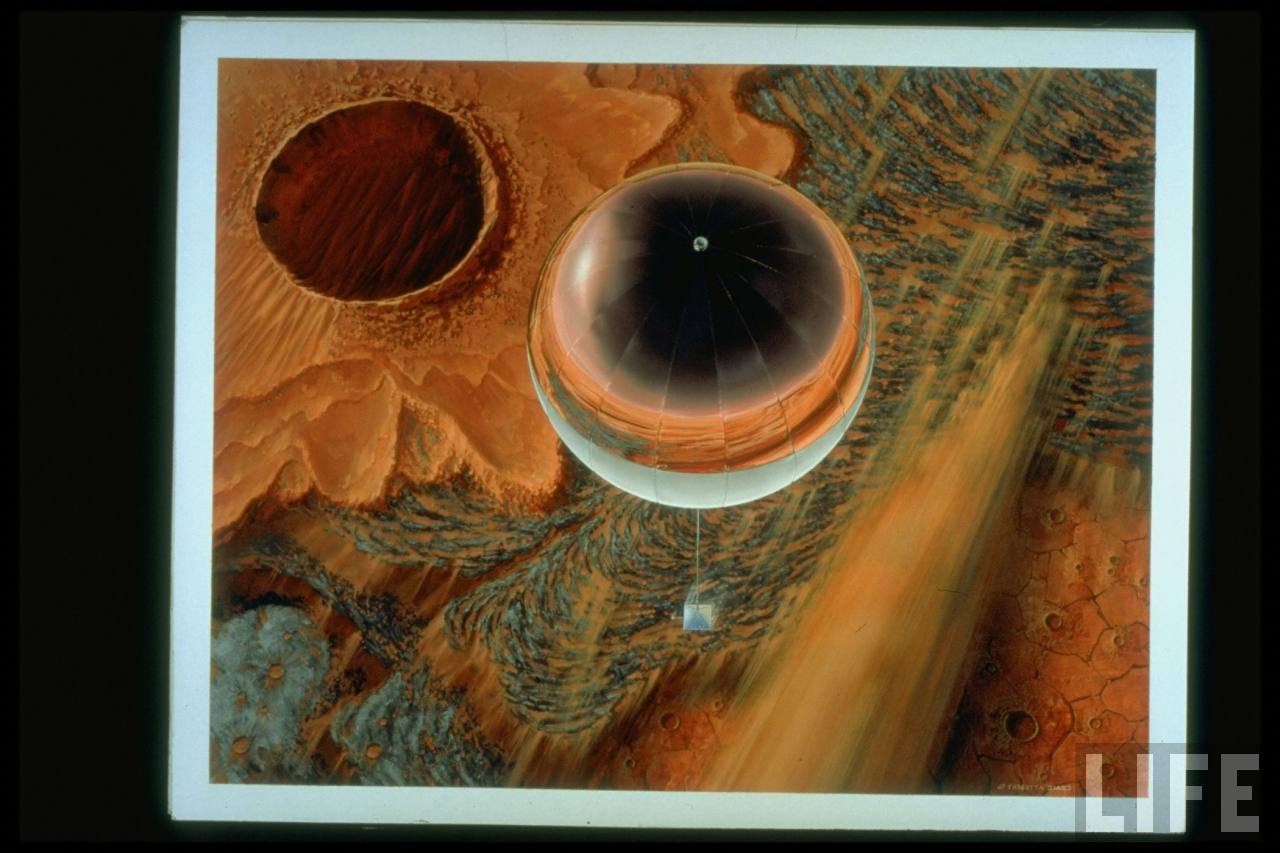
Is this a great idea? It’s an artist’s conception of spacecraft dropping from orbit above large crater to survey Mars by balloon (fore), re various IDEAS for future sample-return missions to the Red Planet. Date taken: 1996, Photographer: Craig Attebery
Since this is New Year’s Eve and many of us will be trying to make “New Year” changes in our lives, I thought it would be appropriate to present a post on ideas. If we are going to change, we will need ideas about what and how to change. Perhaps one of the following “great ideas” will serve you well.

I have a great idea!
——————————————————–
I have come across many great ideas during my lifetime. A few days ago, I decided to write down some of the best ones that I can remember. In fact, many of my posts start, in my mind, as a single idea. Some of those ideas are, in my opinion, “great ideas.”
Let me emphasize that these great ideas are not, necessarily, originally created by me. I have the luxury of having lived for many years and have read about, heard and/or seen ideas that have stood the “test of time.” The great ideas that I wrote down are given below in bold print.
Here is the first idea that I wrote down.
Change will happen if we act and understand that we can create our future. I have done some posts on change, the most recent was entitled, “Should” You “Want” To Change?. You may visit the post by clicking on the title.
The idea, given in the previous paragraph, is not only great, but it also encompasses most aspects of life. In other words, it is a great idea that can be used in many different times and circumstances of our lives.

Many great ideas are global ideas.
There are also some great ideas that are short and not as encompassing as the previous one. These short and great ideas are ones that I think we should keep in the back of our minds and ready for use when appropriate. Here are three examples of short great ideas:
1) Keep it simple. This idea is often written using the letters KISS. Some say that it is the acronym: K(eep) I(t) S(imple) S(tupid). I prefer to think of it as: K(eep) I(t) S(imple) S(martie) :-)
2) Get a second opinion. This idea can be used in many different ways. When we are buying, learning, problem-solving, decorating, building, creating, cooking, playing, etc., we often will benefit from getting a second opinion.
3) Talk to yourself about it. I know that many people say you shouldn’t talk to yourself. Why is that? I’m not implying that we should carry on a loud conversation with ourselves. But, talking ourselves through complicated or confusing dilemmas is a powerful way of keeping our mind actively engaged and focused. I think it is a great idea that is very much underused.

My great idea is a bright idea!
Ok, so we have great ideas that are powerful and encompassing, and we have great ideas that are short appropriate thoughts that are to be kept in the back of our minds and ready for use as needed.
Powerful and encompassing or short and appropriate; why separate them?
Good question! A great idea is just that, a great idea. I’m not going to categorize them. Now that I think of it, categorizing them was not a great idea! :-)
Here are the rest of the great ideas I wrote down, each with a brief comment. Please peruse and use!
Focus on your strengths – use them as much as you can and expect them to grow.
Reason it out – trust reason and its potential to solve problems.
Keep it clean – clean is not a dirty word ;-), clean is almost always better.
Procrastination does not exist – the only thing related to procrastination that exists is our passive choice to do nothing.
Make examples – examples help us clarify our thinking.
Refuse to quit – too often we give up and use excuses for reasons.
Consider another time – we often determine the time that causes us stress; change the time.
Different viewpoint – this helps us bring empathy to our thinking. I’ve done two posts on empathy. Click (1) and/or (2) to view.

My idea is GREAT, and now I’m AWAKE!
Becoming your best self is a choice you make – this appropriately assigns the responsibility of “becoming” and what you are becoming is often more important than what you are accomplishing.
Believe in the importance of your ideas and your ability to make them real – this enables you to believe in yourself; it helps with self-esteem and self-worth.
This last great idea brings us “full circle.” We need to believe in the importance of great ideas in order for them to be great. We should get rid of ideas that are keeping us from realizing our true potential. Never be afraid to take a great idea and outwardly declare, “I have a great idea!”
Treat great ideas like you treat your beliefs – proudly make them yours!
I’m looking forward to reading about some of your ideas. I think that would be GREAT! :-)
Is A Picture Worth A Thousand Words?
Posted on December 28, 2009 Leave a Comment
I’m sure you have heard the adage, “A picture is worth a thousand words.” I have provided six pictures below. If each picture is worth a thousand words, then this posting is over six-thousand words long and is the biggest one I have posted since I started blogging. Most of my posts are around 500 words; this post is more than ten times my average AND is shorter than most. :-)

Is The “Bug” Holding A “Non-Bug” Or A “Non-Bug” Holding A “Bug?”
What is the “1,000 word” picture above all about? Is it true that the grasshopper is 3 feet long? Actually, it is an example of “trick photography” circa 1930.

Is This A “Bug?” (Mandelbrot Set)
The above picture is not of a bug, but instead is generated by “iterating” a simple formula. It’s called the Mandelbrot Set.
NOTE: If you “click” on the following four pictures, they should each open in a different window and appear larger.

“Natural” Water Beauty (Green Bay, Lake Michigan)
This picture was taken while boating in the upper Green Bay of Lake Michigan. When I took the picture, I couldn’t help but imagine early explorers viewing the caves and wondering who or what lives in them.

“Un-natural” Water Beauty (City Garden, St. Louis)
The above picture was taken in City Garden, at night, after leaving a Cardinal baseball game in downtown St. Louis. The water fountain is lighted and constantly shoots streams of water at different heights. I have a set of “day-time” pictures of City Garden on my website. Please click here to see them.

A View Of The Sky From “Country” Earth (Door County, Wisconsin)
In upper Door County, Wisconsin, junipers grow wild and like weeds. If left undisturbed, they will overtake almost any open area.

A View Of “City” Earth From The Sky (Moonrise Hotel)
This view is from a new boutique hotel near the western city limits of St. Louis. It is called the Moonrise Hotel and the picture was taken while on the rooftop terrace of the hotel where there is an outdoor bar and lounge area. The buildings near the skyline are in downtown St. Louis where the Gateway Arch (you most likely can’t see it in this small photo) is positioned to the right of the two radio towers.
Is a picture worth a thousand words? I doubt if these are, but if they are each worth only 15 words, then this post has over 500 words in it. That is my goal for most of my postings. Yea! I reached my goal. :-)
I would love to read a comment from you.


 R2 Thoughts for You